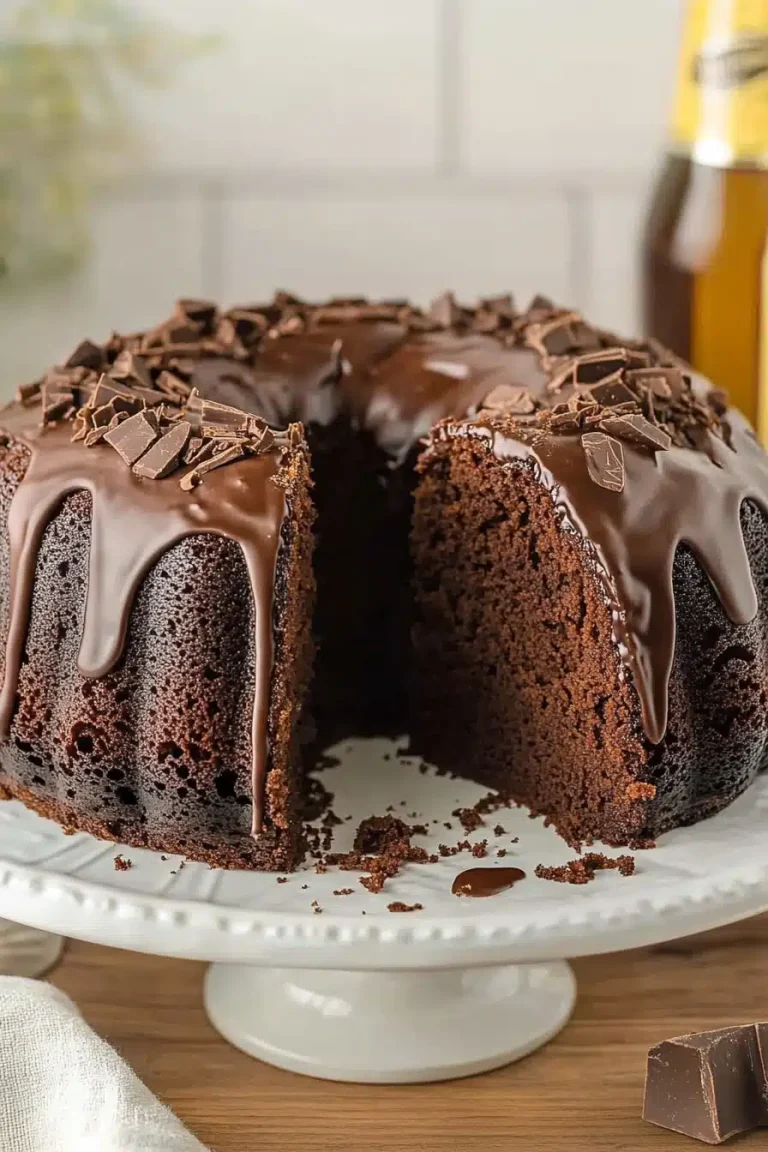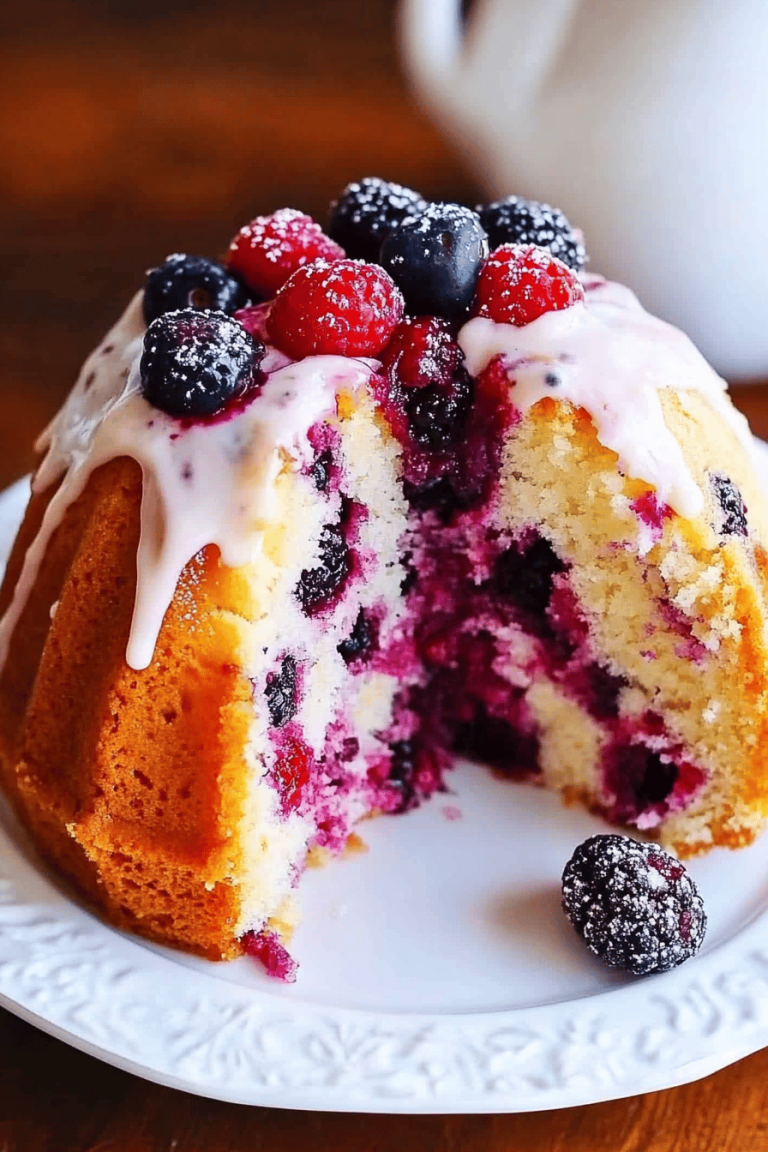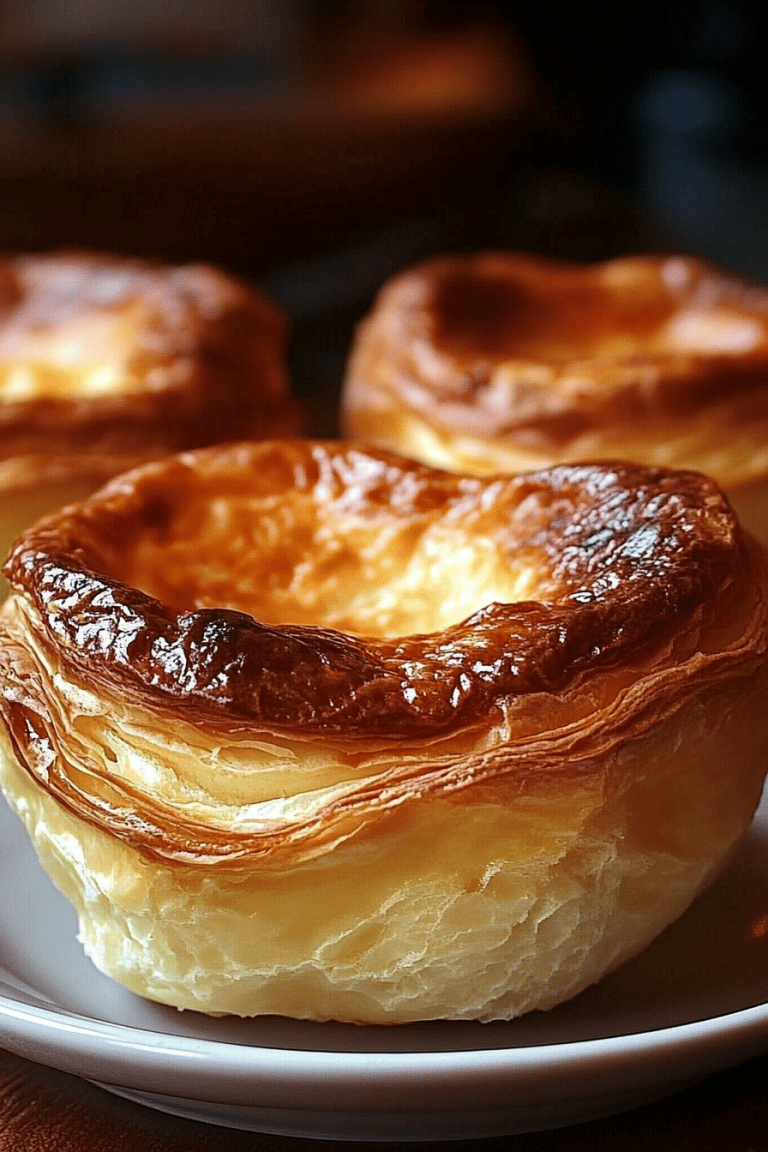


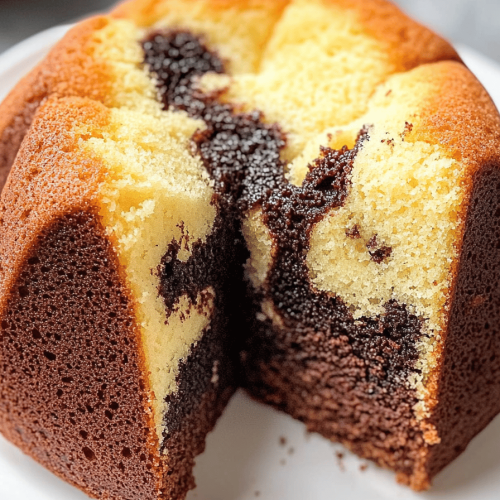
The first bite of this caramelized bundt cake always takes me straight back to Sunday mornings at grandma’s house, when the kitchen smelled like toasted sugar and vanilla and the coffee was always just a little too hot, steaming in chipped mugs. I’ve carried that scent with me into my own kitchen, where I’ve learned to coax even more warmth from a simple butter cake. This caramelized bundt cake is incredible in its ease and its memory—a dessert that feels special without being fussy. It’s the kind of bake that fills the house with a reassuring sweetness, and when you cut into it, the edges glisten with a glossy caramel glaze that clings to every ridge. I always do a slow, gentle swirl of the filling to keep those caramel stripes pretty, and I swear the glaze tastes like a hug in a spoonful. This one’s a lifesaver on busy nights, yet it somehow feels like a pause, a moment to linger, a reason to pull out the good china and light a candle. My kids ask for this all the time, and I’m not complaining—the house smells amazing, and it makes every afternoon feel a little like a small celebration.
What is a caramelized bundt cake?
Think of it as a butter-forward cake that wears a caramel kiss on its crust. The name comes from two small but mighty things: first, the caramel notes that develop as the sugar and butter mingle in the bake, and second, the glossy glaze that pools into the center, glimmering along the ridges of a classic bundt pan. It’s essentially a cozy, approachable cake—think “my grandma’s Sunday dessert” with a modern flourish. The batter is every bit as simple as a standard butter cake, but when you pour it into a well-prepped bundt pan and swirl in a ribbon of cinnamon-sugar filling, you get a presentation that feels bakery-level without the fear. It’s a crowd-pleaser, yes, but it’s also deeply personal: you bake it, someone smiles at the first slice, and suddenly the whole room is a little brighter. If you’ve ever tasted a glaze that clings to every nook, you know what this cake brings to the table—a warm, inviting dessert that pairs beautifully with coffee, vanilla Ice Cream, or a dollop of whipped cream after dinner. I’m excited to walk you through how I build it, from browning the butter to the final drizzle, so you get that same comforting pull in every bite.
Why you’ll love this recipe?
What I love most about this caramelized Bundt Cake is that it feels special but isn’t fancy-bake fussy. It’s the kind of recipe that becomes a family favorite because it’s reliable, comforting, and a little bit mesmerizing to look at. Here’s why this one has earned a permanent spot on my counter:
- Flavor: It’s not just sweet; it’s caramel-rich, with a toasty butter depth that develops as the cake bakes. The glaze adds a glossy, seductively sticky finish that perfectly accents a tender crumb. This caramelized bundt cake brings a cozy depth that vanilla alone can’t match.
- Simplicity: One bowl (minus the pan). The batter comes together quickly, and the filling is a simple brown-sugar swirl. You’ll be surprised how forgiving it is—even if you whisk a little longer than you intended, it still bakes up beautifully.
- Cost-efficiency: What is the best way to measure cost-efficiency?: Pantry staples all the way—flour, sugar, butter, eggs, and milk. The filling uses a little brown sugar and cinnamon, and the glaze is just powdered sugar with caramel. If you keep these on hand, you’ve got weeknight-friendly luxury in minutes.
- Versatility: This caramelized bundt cake shines as a breakfast treat, a brunch centerpiece, or a dessert with ice cream or coffee. Swap in a different spice blend (cardamom, allspice) for a new twist, or bake it plain if you’re feeding toddlers who aren’t yet embracing cinnamon.
- Memory-maker: This recipe is all about nostalgia—the familiar scent of brown butter, the way the glaze gleams in the light, and that first hungry chorus of “mmm!” from everyone at the table. It’s a dish that invites stories and seconds.
How do I make a caramelized bundt cake?
Quick Overview
In a nutshell, you brown some butter to amp up the flavor, whisk together a simple butter-based batter with a hint of cinnamon, and swirl in a quick brown-sugar mixture before it heads into a well-greased bundt pan. The cake bakes until the edges edge toward caramel and the center stays tender, then you drizzle it with a caramel glaze that sings against the warm crumb. The result is a caramelized Bundt Cake that looks as beautiful as it tastes, with a crackly glaze and a moist interior that stays soft for days when wrapped properly. The process is friendly to new bakers but rewarding enough to feel like a little triumph every time.
Ingredients
For the Main Batter:
- 2 1/2 cups (315 g) all-purpose flour, sifted
- 1 cup (200 g) granulated sugar
- 1/2 cup (115 g) unsalted butter, browned
- 2 large eggs
- 1 cup (240 ml) buttermilk or 1 cup milk plus 1 tablespoon vinegar
- 1/2 cup (120 g) sour cream or plain yogurt
- 1 1/2 tsp baking powder
- 1/2 tsp baking soda
- 1/2 tsp fine sea salt
- 2 tsp vanilla extract
- 1/2 to 1 tsp ground cinnamon (to taste)
- 1/4 tsp ground nutmeg (optional)
For the Filling:
- 1/2 cup light brown sugar, packed
- 2 tablespoons unsalted butter, melted
- 1 teaspoon ground cinnamon
- Pinch of salt
For the Glaze:
- 1 cup powdered sugar
- 3–4 tablespoons caramel sauce or melted caramel
- 1–2 tablespoons milk or heavy cream
- Pinch of salt
Tools and tips: You’ll need a 9–10 cup bundt pan that’s well-greased and flour-dusted. If your pan is dark, you might want to drop the oven temperature by 25 degrees to prevent too-dark edges. If you can, use room-temperature ingredients to keep the batter from curdling and to ensure a smooth, even rise.
Step-by-Step Instructions
Step 1: Preheat & Prep Pan
Preheat your oven to 350°F (175°C). Generously butter your bundt pan and dust with flour, tapping out the excess. I’ll often run a tiny bit of melted butter along the interior ridges and then a light dusting of flour just to ensure it releases cleanly. If you’ve got a nonstick spray that includes a touch of flour, that works too. The goal is a flawless release so you don’t lose those pretty caramelized edges when you invert the cake.
Step 2: Mix Dry Ingredients
Whisk together the flour, baking powder, baking soda, salt, cinnamon, and nutmeg. Sifting helps avoid clumps and gives you a tender crumb. This step is small, but I’ve learned the difference it makes—especially when you’re swirling in that Cinnamon Sugar filling later.
Step 3: Mix Wet Ingredients
In a separate bowl, melt the butter until it’s browned and fragrant; it should smell nutty and toasty, not burnt. Let it cool just a touch, then whisk in the granulated sugar until it’s pale and creamy. Add eggs one at a time, then whisk in the vanilla. Stir in the buttermilk and yogurt until everything is smooth. A minute of whisking now prevents lumps and guarantees a silky batter—Trust me, you’ll thank yourself later.
Step 4: Combine
Fold the dry ingredients into the wet in two or three additions, mixing just until you no longer see dry streaks. The batter should be thick and glossy. Overmixing is the enemy here; you want a tender crumb, not a tough bite. If you notice a few small lumps, don’t sweat it—the cake will bake up beautifully anyway.
Step 5: Prepare Filling
In a small bowl, mix the brown sugar, melted butter, cinnamon, and salt until you have a thick, cohesive paste. You’re aiming for a spreadable filling that will swirl nicely in the batter without sinking to the bottom.
Step 6: Layer & Swirl
Pour a little more than half of the batter into the prepared pan, smoothing the top. Spoon the filling in a generous swath over the batter, then swirl it with a knife or skewer to create pretty ribbons. Pour the rest of the batter over the top and smooth the surface. You want visible caramel streaks peeking through the batter—this is the signature look of a caramelized bundt cake.
Step 7: Bake
Bake for 50–60 minutes, or until the cake is golden and a toothpick inserted into the center comes out with a few moist crumbs. If your oven tends to run hot, start checking at 45 minutes. The edges should look deeply caramelized and the center should spring back when touched lightly. If you pull a cake that still wiggles in the middle, give it 5–10 extra minutes and test again.
Step 8: Cool & Glaze
Let the cake cool in the pan for about 15–20 minutes before inverting onto a cooling rack. The glaze should be prepared while the cake is cooling so you can drape it while it’s warm and the cake is still a bit receptive to the glaze’s cling. Whisk the powdered sugar with caramel, milk, and a pinch of salt until you reach a pourable consistency. If it’s too thick, add a touch more milk; if it’s too thin, whisk in a little more sugar. Drizzle over the top and let the glaze pool into the center of the cake.
Step 9: Slice & Serve
Once the glaze has set to a glossy sheen, slice. For clean cuts, use a sharp serrated knife and wipe it between slices. This caramelized bundt cake is superb warm with a scoop of vanilla ice cream or a dollop of whipped cream, but I also adore it at room temperature with a hot cup of coffee—the contrast between the cool beverage and the warm cake is pure comfort. If you’re in a rush, a quick re-warm in the microwave for 10–15 seconds brings back that bakery-soft crumb and intensifies the glaze’s shine.
What to Serve It With
This cake shines with simple accompaniments that echo its caramel notes and cozy vibes. Here are a few ideas organized by occasion:
For Breakfast: A warm slice with a strong, dark roast coffee or a latte. I love a tiny dollop of crème fraîche on the side for a touch of tang that cuts the sweetness, and a small sprinkle of flaky salt to wake up the flavors.
For Brunch: Plate it alongside apple-crumb muffins or cinnamon-scented yogurt cups. A drizzle of extra caramel on the plate makes it feel decadent without being heavy.
As Dessert: Serve with vanilla bean ice cream or a spoonful of salted caramel whipped cream. The contrast between the cool cream and the warm cake is irresistible, and the caramel glaze echoes those flavors beautifully. A few toasted pecans on top add crunch and the perfect nutty note.
For Cozy Snacks: Slice thin and pair with a mug of hot cocoa. This is the kind of treat that disappears in minutes when the family is gathered around the living room, sighing contentedly after a long day.
Top Tips for Perfecting Your Caramelized Bundt Cake
Here are some practical tips I’ve learned after baking this caramelized bundt cake countless times. These tips are organized by technique to help you dial in perfect texture and flavor every time.
Brown Butter Prep: Don’t rush the browning step. A light nutty aroma signals it’s ready. If you go too far, you’ll introduce a burnt edge that shifts the entire flavor profile. Cool it slightly before mixing with sugar to avoid curdling the eggs.
Mixing Magic: Sift dry ingredients to prevent clumps. Mix wet and dry just until combined; a few small lumps are perfectly okay and will bake out. Overmixing yields a tougher crumb—this is the one mistake I always remind myself of when I’m multi-tasking in the kitchen.
Swirl Pattern: For a visually striking, even swirl, drop spoonfuls of the filling at intervals around the batter and run your spatula straight through the batter, then rotate the pan a quarter turn and repeat. The result should be delicate ribbons rather than a thick, chunky swirl.
Ingredient Swaps: I’ve tested this with yogurt instead of sour cream and with almond milk in place of dairy milk; both work, and they make the cake a touch lighter or a touch creamier depending on what you use. If you skip the brown sugar, you’ll miss some of that caramel depth—so think about a small substitution rather than a full swap.
Baking Tips: If your oven runs hot, drop the temperature by 25°F and tent the cake with foil if it’s browning too fast. If a toothpick comes out with a few crumbs, you’re perfectly baked—the cake will continue to set as it cools in the pan.
Glaze Variations: For a thicker glaze, use less milk and a touch more caramel. For a brighter flavor, add a pinch of sea salt to the glaze to echo that salted caramel vibe. If you want a chocolate twist, whisk in a tablespoon of cocoa powder into the glaze for a mocha caramel finish.
Storing and Reheating Tips
Caramelized bundt cake keeps beautifully if you store it properly. Here are my best practices for maximum flavor and texture:
Room Temperature: Keep the cake wrapped or in an airtight container at room temperature for up to 2 days. The glaze will set and sometimes firm up a bit, which is delicious for a firmer bite.
Refrigerator Storage: If you need to hold it longer, wrap well and refrigerate for up to 5 days. Bring slices to room temperature before serving to enjoy the full aromatics of the caramel and cinnamon.
Freezer Instructions: Freeze whole cake or individual slices wrapped tightly in plastic and then in foil for up to 2 months. Thaw at room temperature. Glaze can be reapplied as needed if the glaze seems dull after freezing.
Glaze Timing: If you’re freezing the cake, you can add the glaze after thawing, or glaze just before serving for the freshest look and texture. If you’re serving leftovers later in the week, a light re-warm will revive the glaze and the crumb alike.
Frequently Asked Questions
Final Thoughts
This caramelized bundt cake isn’t just a dessert; it’s a little recipe of memory and comfort that travels with you. The notes of brown butter and caramel mingle in a crumb that’s tender, yet with a touch of edge from the glaze that catches the light like a jewel. It’s a cake that gives you a quiet confidence—one you can bring to a potluck, a family gathering, or a weeknight dinner that somehow turned into a celebration. I’ve learned a dozen tiny tricks in the kitchen to get this just right, from browning the butter until it smells like toasted sugar to swirling in the filling with a steady hand so each slice looks like a keepsake. If you try this caramelized bundt cake and you’re greeted with that same warm, swoony moment I get, drop a note in the comments or snap a photo. I’d love to hear how yours turns out. Happy baking, friends!

caramelized bundt cake
Ingredients
Main Ingredients
- 0.5 cup granulated sugar
- 0.5 cup heavy cream
- 0.25 cup whole milk
- 1 tablespoon fresh lemon juice
- 3 cups all-purpose flour
- 1 teaspoon baking powder
- 0.5 teaspoon baking soda
- 1 teaspoon salt
- 1.25 cup unsalted butter, at room temperature
- 2 cups packed light or dark brown sugar
- 4 large eggs
- 1 teaspoon vanilla extract
- 0.5 cup caramel liquid
- 0.5 cup unsalted butter, for frosting
- 2.333 cups powdered sugar
- 1 teaspoon vanilla extract
Instructions
Preparation Steps
- Preheat the oven to 350 degrees F. Butter and flour a bundt cake pan.
- In the bowl of a mixer, beat butter and brown sugar until light and creamy. Add eggs one at a time, then vanilla.
- In a separate bowl, whisk together flour, baking powder, baking soda, and salt. With the mixer running, alternate adding caramel liquid and dry ingredients until just combined.
- Pour into the prepared pan and bake until a toothpick comes out clean, about 45-55 minutes. Let cool in pan 10 minutes, then invert onto a wire rack to cool completely.
Frosting
- Beat butter, powdered sugar, vanilla, and caramel liquid until smooth. Adjust consistency with extra caramel liquid if needed.
- Frost the cooled cake and store in an airtight container at room temperature.