


There’s something utterly comforting about the rich, velvety taste of roasted butternut squash mingling with tender pasta — it’s like a warm hug on a chilly evening. I remember the first time I made this butternut pasta, the house filled with a sweet, nutty aroma that instantly drew my family to the kitchen. It surprised me how something so simple could feel luxurious yet so homey at the same time. If you love a creamy mac and cheese but want something a bit lighter yet just as satisfying, this one’s your new best friend. It’s got the depth and warmth of fall’s finest, but it comes together in under 30 minutes — which, believe me, is a game-changer on busy weeknights. Trust me, once you’ve tried this butternut pasta, it’ll be turning up on your dinner table again and again.
What is butternut pasta?
Think of butternut pasta as a seasonal love letter to simple comfort food. It’s essentially pasta dressed in a glossy, dreamy sauce made from roasted butternut squash, garlic, and a touch of cream or milk, finished with crispy sage butter sprinkled on top for that perfect herbal kick. The beauty of this dish lies in its combination of natural sweetness from the squash and the earthy warmth of spices and herbs that make it feel cozy yet elegant. The name is pretty straightforward — it’s pasta with butternut, but the real magic is in how those flavors harmonize. If you’re used to your usual tomato or Alfredo sauces, this butternut pasta offers a fresh, heartwarming change that feels both nourishing and indulgent without being heavy.
Why you’ll love this recipe?
Alright, let me spill why this recipe keeps me coming back. First off, the flavor — it’s like fall in a bowl. The roasted butternut squash gives it this gorgeous caramelized sweetness that pairs perfectly with the savory garlic and a hint of Parmesan cheese. Then, there’s the sage butter. My goodness, it adds a crispy, fragrant layer of texture and flavor that I could eat by the spoonful. What I love most about this is how simple it is: you roast the butternut, blend it, and toss with your pasta — no crazy steps or weird ingredients. And it’s budget-friendly too! Butternut squash is affordable and stores well, so you can make a big batch and enjoy leftovers without worry.
Another thing? Versatility. I’ve used this sauce as a base for all sorts of pasta shapes — penne, farfalle, even whole wheat spaghetti — and it never disappoints. And if you want to amp it up, adding some toasted walnuts or crispy bacon bits takes it to dinner-party status, but on lazy days, it’s perfect just as it is. This butternut pasta absolutely beats your standard tomato sauce dinner for both taste and feel-good vibes. Plus, my kids actually ask for seconds, which is a sure sign a recipe’s a keeper in our house.
How do I make butternut paste?
Quick Overview
So here’s how it goes: roast your butternut squash until it’s sweet and silky, then blend it into a smooth sauce. While pasta cooks, melt butter with fresh sage leaves until crispy and aromatic. Toss your cooked pasta with the luscious butternut sauce, pour over that golden sage butter, and you’re done. The whole thing is simple but feels special enough for guests or a cozy family dinner. No complicated steps here — just great flavors and easy prep.
Ingredients
What is the main sauce?
- 1 medium butternut squash (about 2-3 pounds), peeled and cubed – seek out firm, unblemished squash for the sweetest flavor.
- 2 tablespoons olive oil – I prefer a fruity, high-quality one to roast the squash.
- 3 cloves garlic, minced – fresh garlic is key for that punch.
- 1/2 cup grated Parmesan cheese – adds umami and richness.
- 1/2 cup heavy cream or whole milk – cream makes it indulgent; milk lightens it up.
- Salt and freshly ground black pepper, to taste.
For the Sage Butter:
- 4 tablespoons unsalted butter – real butter here, no substitutes!
- 8-10 fresh sage leaves – the fresher, the better for that crispy texture and aroma.
- A pinch of salt.
For the Pasta:
- 12 ounces pasta of your choice (I love penne or orecchiette for this recipe).
- Water and salt for cooking pasta.
Step-by-Step Instructions
Step 1: Preheat & Prep Pan
Set your oven to 400°F (200°C) and line a baking sheet with parchment paper. Toss those cubed butternut squash pieces with olive oil, a pinch of salt, and a grind of pepper. Spread them out in a single layer — this helps the edges caramelize beautifully. Roasting at this high temperature gives the squash that sweet, deep flavor you want for the sauce.
Step 2: Mix Dry Ingredients
Since this sauce is mostly about the roasted squash, the only dry component to note here is the Parmesan cheese. Grate it finely and keep it ready to stir in once your squash is blended.
Step 3: Mix Wet Ingredients
Once the squash is roasted (about 25-30 minutes or until tender and golden in spots), transfer it to a blender or food processor along with minced garlic. Add the cream or milk gradually while blending to reach that creamy, dreamy consistency. Season with salt and pepper, and blend until silky smooth. Don’t rush — this part is key for the sauce’s texture.
Step 4: Combine
Return the silky sauce to your pan over low heat. Stir in your Parmesan cheese, allowing it to melt gently into the sauce, adding that comforting cheesy depth. Adjust seasoning here — a little more salt or pepper can make a big difference.
Step 5: Prepare Filling
In this case, the “filling” is your sage butter, which gives that extra flavor pop. Melt the butter in a small skillet over medium heat, add the fresh sage leaves, and cook until the butter browns slightly and the sage crisps up. It smells incredible here — like fall itself.
Step 6: Layer & Swirl
The sauce is smooth enough to coat pasta evenly, so no swirling needed here — just toss your cooked pasta right in the warm sauce so every nook gets coated lovingly.
Step 7: Bake
This step is optional, but if you want a cozy baked version, transfer your sauced pasta to a baking dish, top with a little extra Parmesan, and bake at 375°F (190°C) for about 15 minutes until bubbly and lightly golden. Otherwise, it’s delicious right off the stove.
Step 8: Cool & Glaze
Once plated, drizzle the crispy sage butter over the top. The butter will slightly solidify if left too long, so serve immediately for that melt-in-your-mouth finish.
Step 9: Slice & Serve
If baked in a dish, let it rest for 5 minutes before scooping to help it set. Serve warm with an extra sprinkle of Parmesan and maybe a crack of black pepper or a handful of toasted pine nuts for crunch.
What to Serve It With
For Breakfast: This butternut pasta might sound unusual for a morning meal, but trust me — try it with a side of poached eggs and a cup of strong black coffee or spiced chai. The creamy squash and sage pair so well with egg yolk drizzle and morning caffeine buzz.
For Brunch: Set the table with a light arugula salad tossed in lemon vinaigrette and a chilled glass of crisp white wine or sparkling water with a splash of grapefruit juice. The freshness balances the richness beautifully, turning this humble dish into a brunch superstar.
As Dessert: While it’s savory, a small serving of this butternut pasta warmed through with a dusting of nutmeg feels like dessert sometimes — especially if you finish with a dollop of ricotta and a drizzle of honey on the side. It’s an unexpected sweet-savory delight.
For Cozy Snacks: This one’s a lifesaver on chilly nights when you want quick comfort. Keep leftovers in small bowls, reheat gently, and enjoy with crusty bread or even roasted chickpeas for a crunchy twist.
In our family, it’s the unofficial “Sunday night hug” meal — we gather round, the kids gobble their portions, and the aroma alone brings everyone into the kitchen. Definitely a keeper.
Top Tips for Perfecting Your Butternut Pasta
Butternut Prep: I always peel the squash first with a vegetable peeler to avoid that tough skin; it’s worth the small effort. Cubing evenly helps it roast uniformly, so don’t rush that step. Roasting at a high temp until golden really brings out the natural sugars — don’t skip this, or the sauce loses its depth.
Mixing Advice: When blending, add your cream or milk bit by bit. If you pour it all at once, the sauce can get thinner than you want — start small, then add more for creaminess. Over-blending can sometimes make the sauce too watery, so keep an eye on the texture — it should be smooth but dense enough to coat pasta well.
Swirl Customization: While the sauce itself is blended, you can add color and texture by folding in fresh spinach or kale towards the end for a pop of green. Also, drizzling sage butter on top creates that jewel-like finish everyone’s always impressed by.
Ingredient Swaps: If you’re dairy-free, I tested this with almond milk and a spoonful of nutritional yeast instead of Parmesan. The flavor was surprisingly creamy and cheesy, just a bit lighter. Coconut cream can work as well but gives a sweeter, tropical spin. For butter, vegan margarine does fine but the flavor isn’t as rich.
Baking Tips: If you choose to bake, placing the dish in the center oven rack ensures even heat. If your oven runs hot, lower the temp to 350°F and bake a bit longer to avoid burning the top. Use a toothpick test to check for doneness — it should come out moist but without sticky batter.
Glaze Variations: Instead of sage butter, try browned butter with a sprinkle of crushed red pepper flakes for a spicy kick or drizzle with reduced balsamic vinegar for some tangy contrast. Fresh herbs like thyme or rosemary also work beautifully.
I learned the hard way that under-roasting the squash leaves the sauce flat and watery — roasting until you see golden brown bits is non-negotiable for me now. Also, letting the sauce cool just a touch before tossing it with pasta stops the noodles from getting soggy, which took a few batches to perfect.
Storing and Reheating Tips
Room Temperature: This pasta is best enjoyed fresh, but if you have leftovers, keep them covered loosely at room temp for up to 2 hours. Beyond that, it’s best to refrigerate to keep the flavors bright and safe.
Refrigerator Storage: Store leftovers in an airtight container for up to 3 days. When reheating, I like to add a splash of milk or cream and gently warm in a skillet to revive creaminess and avoid drying out.
Freezer Instructions: This butternut pasta freezes well if you skip the sage butter topping first. Portion it into freezer-safe containers or bags, removing excess air, and freeze for up to 2 months. Thaw overnight in the fridge then warm gently on the stove. Add fresh sage butter after reheating to keep that fresh, crispy flavor.
Glaze Timing Advice: Always add sage butter just before serving to keep its crispy texture — if added too early and refrigerated, it softens and loses that punch. If freezing, add it fresh after reheating.
Frequently Asked Questions
Final Thoughts
This butternut pasta has become such a beloved recipe in my kitchen because it feels like home — without any fuss or long hours. It’s the kind of dish that comforts and nourishes, yet surprises with its depth of flavor and elegance. I love how it bridges the gap between weekday dinners and special occasions with ease. If you’re looking to add a new seasonal staple to your repertoire, this one’s a total keeper. I definitely recommend pairing it with a crisp, simple green salad and your favorite crusty bread to soak up every last bit.
Don’t hesitate to experiment with herbs or swap in your favorite pasta shapes — it’s all part of the fun. I can’t wait to hear how your version turns out, so drop a comment, share your tweaks, or even your family’s reaction. Happy cooking, and here’s to many cozy dinners ahead!

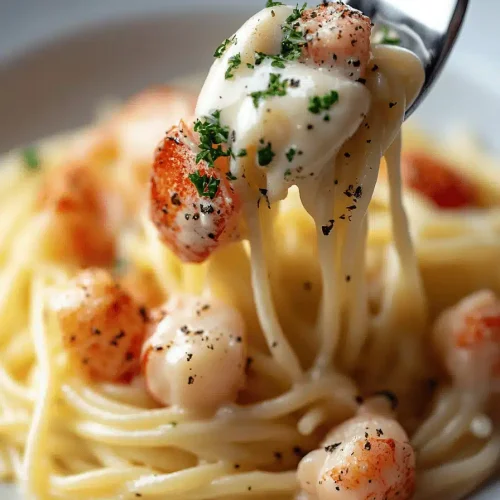
butternut pasta
Ingredients
Main Ingredients
- 11 oz spicy chicken Italian sausage about 4 links, casing removed
- 1 lb butternut squash peeled and diced
- 1 tbsp whipped butter
- 10 oz pasta wheat or gluten-free
- 0.25 cup shallots minced
- 3 cloves garlic minced
- 2 cups baby spinach roughly chopped
- 2 tbsp fresh shaved parmesan cheese
- 4 leaves sage leaves sliced thin
- kosher salt and freshly ground black pepper to taste
Instructions
Preparation Steps
- Bring a large pot of salted water to a boil. Add the diced butternut squash and cook until tender, about 10 minutes.
- Remove the squash with a slotted spoon and place in a blender. Blend until smooth and creamy.
- Add pasta to the boiling water and cook according to package directions until al dente. Reserve one cup of pasta water before draining.
- In a large skillet over medium heat, sauté the spicy sausage until browned and cooked through, breaking it up as it cooks. Remove and set aside.
- Reduce heat to medium-low and melt the butter. Sauté shallots and garlic until soft and fragrant, about 5 to 6 minutes.
- Add the pureed butternut squash to the skillet. Season with salt and pepper, then slowly add reserved pasta water to thin the sauce to desired consistency.
- Stir in baby spinach, parmesan cheese, and sage leaves. Return cooked sausage and pasta to the skillet and toss well to coat everything evenly.
- Serve immediately, garnished with additional parmesan cheese if desired.


