


There are some recipes that just wrap you up like a warm hug on a chilly evening, and for my family, this hearty beef soup is absolutely that. It’s not just a meal; it’s a memory. I can still vividly recall my mom stirring a giant pot of this fragrant soup on a Saturday afternoon, the whole house filling with the most incredible aroma. Now, whenever I make it, it takes me right back to those days. It’s so much more satisfying and, honestly, so much tastier than anything you’d pick up from a deli counter. This beef soup is a true lifesaver on busy weeknights when you want something nourishing and deeply flavorful without spending hours slaving away.
What is Beef Soup?
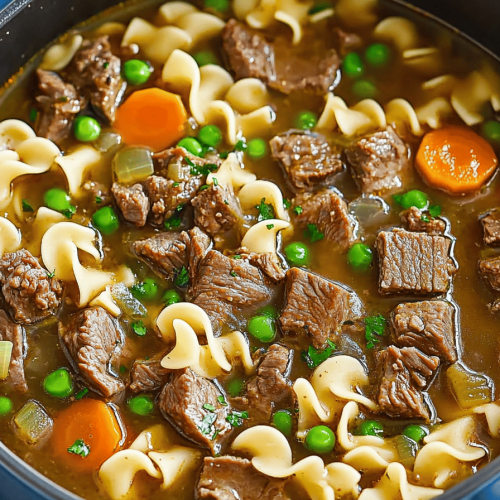
So, what exactly makes this beef soup so special? Think of it as the ultimate comfort food in a bowl. It’s a rich, savory broth packed with tender chunks of beef, an abundance of hearty vegetables like carrots, potatoes, and celery, and just the right touch of herbs to make it sing. It’s not a quick, thin broth; it’s a substantial, stick-to-your-ribs kind of soup that feels like a complete meal all on its own. The beauty of it is its simplicity. There aren’t any fancy techniques or obscure ingredients involved, just good, honest cooking that brings out the best in every component. It’s essentially a love letter to classic, home-style cooking, designed to bring smiles and satisfied sighs around your table.
Why you’ll love this recipe?
Honestly, there are so many reasons why this beef soup has become a staple in my kitchen, and I’m betting it will in yours too! First off, the flavor is just out of this world. The beef becomes so incredibly tender, melting in your mouth, and it infuses the broth with this deep, satisfying richness. Then you get the sweetness of the carrots, the creaminess of the potatoes, and that subtle aromatic touch from the bay leaf and thyme. It’s a symphony of savory goodness! Beyond the taste, though, it’s ridiculously easy to make. I’ve tested this recipe countless times, and even when I’m feeling rushed, it comes together beautifully. Plus, it’s super budget-friendly! You’re using everyday ingredients that you probably already have in your pantry or can grab on a quick grocery run. And talk about versatile! This beef soup is perfect on its own, but it also pairs wonderfully with crusty bread for dipping, a side salad, or even a dollop of sour cream for extra creaminess. What I love most about this is that it’s a meal that truly feels like a reward after a long day. It’s like a warm hug in a bowl, and you can’t put a price on that.
How do I make Beef Soup?
Quick Overview
Making this hearty beef soup is a straightforward process that involves browning the beef, sautéing some aromatic vegetables, then letting everything simmer together until the flavors meld and the beef is fall-apart tender. It’s a one-pot wonder for the most part, meaning less cleanup, which is always a huge win in my book! The magic happens as it simmers, allowing the beef to release its juices and flavor into the broth, creating a depth that’s just unparalleled. It’s a recipe that rewards patience, but the active cooking time is surprisingly minimal.
Ingredients
For the Beef & Broth Base: Beef & Broth: Beef & Broth: Beef & Broth:
2 tablespoons olive oil (or your preferred cooking oil)
2 pounds beef chuck roast, cut into 1-inch cubes (I always look for well-marbled cuts for the best flavor and tenderness!)
1 large yellow onion, chopped
3 cloves garlic, minced
8 cups beef broth (low sodium is best so you can control the saltiness)
2 cups water
1 tablespoon Worcestershire sauce (this is key for that umami depth!)
1 teaspoon dried thyme
1 teaspoon dried rosemary (optional, but lovely)
2 bay leaves
Salt and freshly ground black pepper to taste
For the Hearty Vegetables:
3 large carrots, peeled and sliced (about 1/2 inch thick)
3 celery stalks, sliced (about 1/2 inch thick)
1.5 pounds Yukon Gold potatoes, peeled and cut into 1-inch cubes (these get so creamy!)
1 cup frozen peas (added towards the end for a pop of color and freshness)
For Serving (Optional but Recommended!):
Fresh parsley, chopped (for garnish)
Crusty bread for dipping!
Step-by-Step Instructions
Step 1: Sear the Beef to Perfection
This is where the magic begins! Heat the olive oil in a large Dutch oven or heavy-bottomed pot over medium-high heat. Pat the beef cubes dry with paper towels (this helps them brown better). Working in batches, sear the beef on all sides until deeply browned. Don’t overcrowd the pot, or the beef will steam instead of sear! Remove the browned beef to a plate and set aside. This step is crucial for building layers of flavor.
Step 2: Sauté the Aromatics
Reduce the heat to medium. Add the chopped onion to the pot and cook, stirring occasionally, until softened and lightly golden, about 5-7 minutes. Scrape up any browned bits from the bottom of the pot – that’s pure flavor! Add the minced garlic and cook for another minute until fragrant, being careful not to burn it.
Step 3: Deglaze and Build the Broth
Pour in about 1 cup of the beef broth and use a wooden spoon to scrape up any remaining browned bits from the bottom of the pot. This process is called deglazing, and it’s essential for getting all that amazing flavor into your soup base. Return the seared beef (and any accumulated juices) to the pot. Add the remaining beef broth, water, Worcestershire sauce, thyme, rosemary (if using), and bay leaves. Season generously with salt and pepper. Bring the mixture to a boil, then reduce the heat to low, cover, and let it simmer gently for at least 1.5 hours, or until the beef is becoming tender.
Step 4: Add the Hearty Vegetables
Once the beef has simmered for a good while and is starting to get tender, add the sliced carrots, celery, and cubed potatoes to the pot. Stir everything together. Make sure the vegetables are submerged in the liquid; if not, you can add a little more broth or water. Bring the soup back to a simmer, then cover and continue to cook for another 30-40 minutes, or until the vegetables are tender and the beef is fork-tender.
Step 5: The Finishing Touches
Remove and discard the bay leaves. Stir in the frozen peas and cook for another 5 minutes, just until they are heated through and bright green. Taste the soup and adjust seasoning with salt and pepper as needed. I always find myself adding a little more salt at this stage to really make the flavors pop.
Step 6: Rest and Serve
Let the soup rest for about 10 minutes off the heat before serving. This allows the flavors to meld even further and the vegetables to firm up just slightly. Ladle the hot beef soup into bowls, garnish with fresh chopped parsley, and serve immediately with plenty of crusty bread for dipping. Trust me, you’ll want to soak up every last drop of that delicious broth!
What to Serve It With
This hearty beef soup is practically a meal in itself, but there are so many wonderful ways to round out your dining experience! For a classic, comforting breakfast (yes, I sometimes have it for breakfast!), a simple side of toast or a few scrambled eggs is perfect. The richness of the soup is surprisingly satisfying in the morning. For a more celebratory brunch, I love to serve it alongside a light, fresh green salad with a vinaigrette dressing. The contrast of the vibrant salad with the deep, savory soup is delightful. As a main course for a cozy dinner, it’s unbeatable. My absolute favorite way to serve it is with a thick, crusty loaf of sourdough or French bread for dipping. Seriously, the bread is essential for sopping up every last bit of that incredible broth! You could also serve it with some simple buttered rolls or even garlic bread. For a really decadent experience, a small side of macaroni and cheese or a creamy potato gratin would be amazing, though that’s definitely for when you want to go all out!
Top Tips for Perfecting Your Beef Soup
Over the years, I’ve picked up a few little tricks that I think really elevate this beef soup from good to absolutely fantastic. Here are my top tips:
Beef Selection & Prep: For the most tender and flavorful beef, I always opt for chuck roast. Look for good marbling; that’s the fat woven through the meat, and it’s what makes it melt-in-your-mouth tender and adds so much richness to the broth. Don’t skip the patting dry step before searing; it’s the key to getting a beautiful brown crust, which adds a depth of flavor that you just can’t achieve otherwise. And remember to cut your beef into uniform pieces so they cook evenly.
Building Flavor Layers: Don’t rush the searing of the beef. Those browned bits stuck to the bottom of the pot? That’s gold! Make sure to scrape them all up when you deglaze. The combination of sautéed onions and garlic before adding the liquid also creates a fantastic aromatic base that makes a huge difference. And that splash of Worcestershire sauce? It might seem small, but it adds an incredible umami boost that ties all the flavors together.
Vegetable Harmony: I find that cutting the carrots, celery, and potatoes into similar-sized pieces (around 1-inch cubes) ensures they cook evenly. If your potatoes are much smaller than your carrots, they might turn to mush by the time the carrots are tender. I prefer Yukon Golds for their creamy texture, but red potatoes work well too, as they hold their shape a bit better. Adding the peas at the very end keeps their vibrant green color and fresh flavor – no one wants mushy, faded peas!
Simmering Wisdom: Patience is key here. Let the beef simmer for a good hour and a half to two hours before adding the vegetables. This allows the connective tissues in the beef to break down, resulting in that incredibly tender, fall-apart texture. If your soup seems a bit thin for your liking after cooking, you can always thicken it slightly by mashing some of the potatoes against the side of the pot, or by making a slurry of a tablespoon of cornstarch mixed with a few tablespoons of cold water and stirring it into the simmering soup until thickened. Just be careful not to overdo it!
Herb Handling: Fresh herbs are lovely, but dried herbs are perfectly fine and convenient for this soup. If you’re using fresh thyme and rosemary, add them towards the end of cooking, or use them as a garnish. Using dried herbs throughout the simmering process allows their flavor to infuse more deeply into the broth.
Seasoning Savvy: Always taste and adjust your seasoning towards the end. Broth can vary in saltiness, and as the soup reduces, the flavors concentrate. A final check with salt and pepper ensures that every spoonful is perfectly balanced. Don’t be afraid to add a little extra black pepper for a nice kick!
Storing and Reheating Tips
This beef soup is a dream for leftovers! It actually tastes even better the next day as the flavors have more time to meld. Here’s how I store and reheat it:
Room Temperature: Once cooked and cooled slightly, it’s best to get it into the refrigerator within two hours. If you absolutely must leave it out for a short while, ensure it’s covered to prevent anything from falling in. It’s not ideal to keep it at room temperature for long periods, especially with the beef and potatoes.
Refrigerator Storage: Once completely cooled, store the soup in an airtight container in the refrigerator. It will stay fresh and delicious for about 3-4 days. I often find myself looking forward to the leftovers! The vegetables will soften slightly more upon reheating, which I actually quite like.
Freezer Instructions: This soup freezes beautifully! Let it cool completely, then ladle it into freezer-safe containers or heavy-duty freezer bags. It’s a good idea to portion it out into sizes you’d typically serve, so you can just thaw what you need. It will keep well in the freezer for up to 3 months. Make sure to remove as much air as possible from bags before sealing to prevent freezer burn.
Reheating: To reheat, gently warm the soup on the stovetop over medium-low heat, stirring occasionally, until heated through. You can also reheat individual portions in the microwave. If the soup seems a bit thick after refrigeration or freezing, you can always add a splash more beef broth or water to loosen it up to your desired consistency. For frozen soup, thaw it overnight in the refrigerator before reheating on the stovetop. I usually avoid reheating it multiple times to maintain the best quality and food safety.
Glaze Timing Advice: If you’re making a glaze (though this soup doesn’t typically have one, if you were to adapt a recipe or add something), I’d advise adding it just before serving, especially if you plan to store leftovers. Glazes can sometimes become sticky or change texture upon refrigeration.
Frequently Asked Questions
Final Thoughts
There you have it – my absolute favorite beef soup recipe. It’s more than just a collection of ingredients; it’s a recipe that brings my family together, fills our home with warmth, and nourishes us from the inside out. It’s proof that simple, honest cooking can create something truly magical. I hope you give this beef soup a try, especially on those days when you just need a little extra comfort. It’s a recipe that’s been a lifesaver for me countless times, and I’m so excited for you to make it your own. If you try it, please let me know how it turns out in the comments below! I’d love to hear your family’s reactions and any little twists you might add. And if you enjoyed this, you might also love my [Link to another comforting soup or stew recipe] for more cozy meal ideas. Happy cooking, and enjoy every spoonful!

Chunky Beef, Cabbage and Tomato Soup
Ingredients
Main Ingredients
- 1 lb 90% lean ground beef
- 1.5 tsp kosher salt
- 0.5 cup diced onion
- 0.5 cup diced celery
- 0.5 cup diced carrot
- 28 oz diced or crushed tomatoes (canned)
- 5 cups chopped green cabbage
- 4 cups beef stock canned or homemade
- 2 pieces bay leaves
Instructions
Preparation Steps
- Heat oil in a large pot or Instant Pot on saute mode. Add ground beef and salt, cook until browned, breaking up meat, about 3 to 4 minutes.
- Add diced onion, celery, and carrot to the pot and sauté for 4 to 5 minutes until vegetables soften.
- Stir in diced tomatoes, chopped cabbage, beef stock, and bay leaves. If using Instant Pot, lock lid and cook on high pressure for 20 minutes.
- Allow the pressure to release naturally. For stovetop, cover and simmer on low for 40 minutes until flavors meld and cabbage is tender.
- Remove bay leaves and serve hot. Makes about 11 cups of soup.