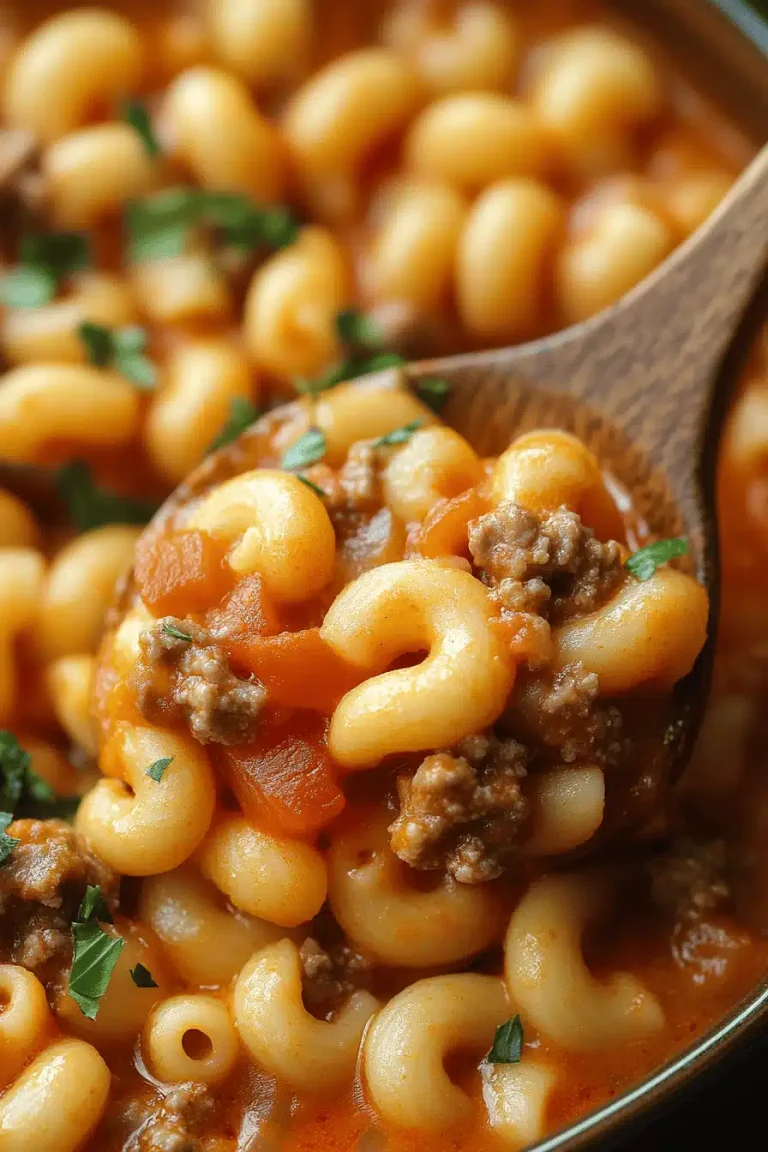


It’s funny how certain recipes just stick with you, isn’t it? My first taste of gochujang noodles was on a rainy afternoon at a little Korean diner that smelled like toasted sesame and garlic. That vibrant mix of spicy, sweet, and slightly smoky flavors just hit me in the best way—like a warm hug on a damp day. Ever since then, I’ve been playing around with my own version of these noodles at home, tweaking and tasting until I got it just right. If you’ve ever loved a good spicy noodle dish but didn’t want to wrestle with a million ingredients, these gochujang noodles are your dream come true. They’re an incredible burst of flavor, endlessly comforting, and come together faster than you can say “takeout.” Honestly, they’ve replaced a bunch of my usual weeknight meals because they’re just that easy and satisfying.
What is gochujang noodles?
So, what are these gochujang noodles anyway? Think of it as a bowl of noodles dressed in a luscious sauce made from gochujang, which is this amazing Korean fermented chili paste that’s sweet, spicy, and has this deep umami kick. It’s essentially a comforting noodle dish where the star isn’t just the noodles but that sticky, slightly tangy sauce that clings to every strand. The name literally means noodles tossed in gochujang—simple and no-fuss. It’s the kind of thing you can whip up even if you’re just starting to dabble in Korean flavors, and it’s way less intimidating than going full bibimbap or kimchi stew. This recipe brings a delicious balance of heat and sweetness without overwhelming your taste buds, and it works beautifully whether you’re leaning on fresh noodles, soba, or even spaghetti in a pinch.
Why you’ll love this recipe?
What I love most about gochujang noodles is how well they balance bold flavor with ease. The sauce has this wonderful spicy-sweet tang that wakes up your palate but doesn’t leave you gasping for water. It’s like the perfect spice level for someone who’s adventurous but not a fire-eating contest champ. Plus, it takes less than 30 minutes from start to finish, which, honestly, is a lifesaver when you’ve had a long day and just want something comforting on your plate ASAP. The ingredients are mostly pantry staples for me—soy sauce, gochujang paste, some sugar, and garlic—so it’s pretty budget-friendly, too. Sometimes I toss in veggies or leftover protein, and the dish still dazzles without fuss. If you’ve ever made sesame noodles or even a quick peanut noodle dish, this one’s in the same family but with a Korean twist that feels fresh and exciting. My kids actually ask for seconds—not an easy feat when spicy food is involved! And if you ask me, noodles that can please both the crowd and the picky eaters? Total keeper.
How do I make gochujang noodles?
Quick Overview
Making gochujang noodles is a cinch, and the best part is how quickly the sauce comes together while your noodles cook. You’ll simmer a simple, fragrant sauce that brings out all those spicy, sweet, and savory notes, then toss it with perfectly cooked noodles and fresh veggies if you like. The whole process happens in a single skillet or pan, so cleanup is minimal, and you get this beautifully glossy, flavorful noodle dish without any complicated steps. Trust me, if you like dishes you can throw together on a busy weekday night without compromising flavor, this is the one.
Ingredients
For the Sauce:
- What is gochujang (Korean chili paste)?
- 1 tablespoon soy sauce – I always reach for a naturally brewed version for that depth
- 1 tablespoon rice vinegar – adds a nice tang to balance the sweetness
- 1 tablespoon honey or brown sugar – the sweet kick to balance the heat
- 1 tablespoon toasted sesame oil – just the aroma alone is worth it
- 2 cloves garlic, minced – fresh always wins here
- 1 teaspoon grated ginger – optional, but I love the fresh zing
For the Noodles & Mix-Ins:
- 8 ounces fresh or dried noodles (udon, ramen, soba, or even spaghetti) – fresh udon if you can find it, but any will do
- 1 cup shredded carrots or julienned cucumber for crunch and brightness
- 2 green onions, thinly sliced
- Sesame seeds for garnish – don’t skip them, they add a nice nuttiness and texture
- Optional: cooked protein like tofu, chicken, or shrimp to make it heartier
Step-by-Step Instructions
Step 1: Cook the Noodles
Start by boiling your noodles according to the package instructions. I always salt the water lightly to season the noodles from the get-go. Don’t overcook; you want them al dente because they’ll soak up the sauce later. Once done, drain and rinse under cold water to stop the cooking and keep them from clumping.
Step 2: Prepare the Sauce
While your noodles are cooking, whisk together the gochujang, soy sauce, rice vinegar, honey, sesame oil, garlic, and ginger in a bowl. It’ll look thick at first—don’t worry, it’ll thin out beautifully when tossed with the noodles. Taste it at this stage and tweak the sweetness or tanginess depending on what you fancy.
Step 3: Toss Noodles with Sauce
In a large bowl or the pot you drained the noodles in, mix the cooled noodles with the sauce. Use tongs or chopsticks to toss gently so every strand is coated in that glossy, spicy paste. This is where the magic starts—it smells incredible already, right?
Step 4: Add Veggies and Protein
Fold in your shredded carrots or cucumbers for texture and freshness. If you have leftover cooked chicken or tofu, this is a great time to fold it in and warm it up with the heat from the noodles. This little step makes the dish feel complete and super satisfying.
Step 5: Garnish and Serve
Sprinkle the sliced green onions and toasted sesame seeds over the top. I also love to drizzle a bit more sesame oil on for good measure. Serve immediately—you want those noodles slightly warm and saucy but not soggy. This dish comes together so quickly, it’s perfect when you’re starving and don’t have time to fuss.
What to Serve It With
For Breakfast: If you’re feeling adventurous, these noodles pair spectacularly with a soft-boiled egg on top and a hot cup of green tea. The richness of the egg yolk mellowing out those spicy noodles? Yes, please.
For Brunch: Toss in some sautéed greens like spinach or bok choy alongside, and serve with a light cucumber salad dressed in sesame oil and rice vinegar. A sparkling yuzu soda or cold barley tea on the side rounds it out perfectly.
As Dinner: Pair these gochujang noodles with some steamed dumplings or kimchi pancakes for a full-on Korean feast vibe. The noodles’ spicy-sweet kick balances the crispy, savory sides delightfully.
For Cozy Snacks: This dish also shines as a mid-afternoon pick-me-up or late-night snack, especially when reheated gently with a splash of water or broth to loosen up the sauce. It’s comfort food with a little kick—that’s my kind of snack.
At home, I’ve found that these noodles often become the centerpiece whether it’s a casual weeknight or a laid-back weekend. My family loves how they feel like a treat but show up in under 30 minutes—game changer!
Top Tips for Perfecting Your Gochujang Noodles
Sauce Balance: Gochujang can vary widely in heat and sweetness, so always taste your sauce before tossing. Adjust with a pinch more sugar if it’s too spicy or a splash more vinegar if it feels heavy.
Noodle Choice: Fresh udon or ramen noodles soak up the sauce beautifully, but if you only have spaghetti, don’t sweat it. Just keep an eye on cooking times to avoid mush.
Veggie Prep: I learned that shredding carrots finely keeps the dish crunchy without dominating. Squeeze cucumbers gently to remove excess water if you add them raw, or lightly sauté if you want a warmer bite.
Protein Options: Leftover grilled chicken or pan-fried tofu work wonders here. For a richer option, a fried egg on top seals the deal.
Don’t Overmix: When combining noodles and sauce, be gentle. Over-tossing can make noodles mushy and break. I use tongs or chopsticks and toss slowly for that perfect coating without breaking strands.
Adding Crunch: Toast your sesame seeds in a dry pan for a minute or two to make their nuttiness pop. Little details like this make all the difference.
Spice Play: If you love extra heat, sprinkle some Korean chili flakes (gochugaru) over the top before serving—it wakes the dish up even more!
I’ve made this dish countless times, tweaking little things here and there, but the core simplicity never changes. It’s a real crowd-pleaser that’s just as good for solo dinners as for friends popping over unexpectedly.
Storing and Reheating Tips
Room Temperature: These noodles are best fresh but can sit out at room temperature for up to 2 hours if you’re just waiting to eat. Cover them loosely with foil or a clean cloth to keep them fresh.
Refrigerator Storage: Leftovers do keep well in an airtight container for up to 3 days. I find the noodles soak up the sauce and firm up a bit overnight, so store them separately from any fresh veggies you don’t want to wilt.
Freezer Instructions: Freezing noodles can be tricky, but if you want to save leftovers, flash-freeze the cooked noodles on a tray before transferring to a freezer-safe bag. Keep the sauce separate. It lasts about 1 month frozen. Thaw noodles in the fridge overnight and reheat gently.
Glaze Timing Advice: This dish doesn’t typically have a glaze, but if you drizzle sesame oil or add extra garnishes, save those for right before serving to keep flavors fresh and textures crisp.
One thing I always do is reheat gently on the stovetop with a splash of water or broth to bring back that saucy, velvety texture. Microwaving works but can dry the noodles out if you’re not careful.
Frequently Asked Questions
Final Thoughts
Gochujang noodles are one of those recipes that make quick dinners feel special and your busy nights a little more flavorful. The balance of heat, sweetness, and umami hits something deep in that comfort food spot, making it my family’s go-to whenever we want something fast but memorable. I’ve lost count of how many times I’ve made this dish, and it’s always met with happy plates and requests for seconds. If you’re curious about Korean flavors but intimidated by the complexity, this is a beautiful place to start. Give it a whirl, make it your own by adding your favorite veggies or proteins, and don’t forget to pour yourself a cold drink to mellow out that spicy kick. Let me know how yours turns out, I love hearing all the little twists friends add in! Happy cooking and even happier eating!

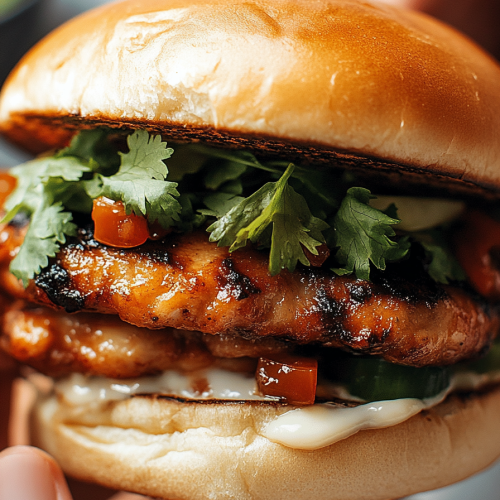
gochujang noodles
Ingredients
Main Ingredients
- 3 tablespoons soy sauce
- 2.5 tablespoons gochujang sauce can substitute with gochujang paste for spicier flavor
- 2 tablespoons tomato paste
- 2 tablespoons peanut butter smooth or crunchy preferred
- 2 tablespoons water for thinning sauce
- 1.5 tablespoons brown sugar
- 1 tablespoons sesame oil
- 1 clove garlic minced
- 1 pound ground chicken can use pork as alternative
- 0.5 teaspoons salt for seasoning chicken
- black pepper freshly ground, to taste
- 2 packets ramen noodles noodles only, no seasoning packets
- 1.5 cups fresh spinach
- 0.25 cups chives or scallions for topping
- 1 tablespoons chili oil for finishing
- 1 tablespoons sesame seeds for finishing
Instructions
Preparation Steps
- Whisk together soy sauce, gochujang sauce, tomato paste, peanut butter, water, brown sugar, sesame oil, and minced garlic in a small bowl until a thick sauce forms.
- Cook ground chicken in a large skillet over medium-high heat, seasoning with salt and freshly ground black pepper until fully cooked, about 7-8 minutes.
- Boil the ramen noodles in a pot for 3-4 minutes until softened, then drain and set aside.
- Add fresh spinach, cooked noodles, and the prepared sauce to the skillet with the chicken. Toss everything together over medium-high heat and cook until the spinach wilts, adding extra water or broth incrementally to achieve desired sauce consistency.
- Serve noodles topped with chopped chives or scallions, a drizzle of chili oil, and sprinkled sesame seeds.